Every activity, on one page
Things to do in Seville
- A local company, based in Seville
- Same price, no booking fees
- Free cancellation on almost everything
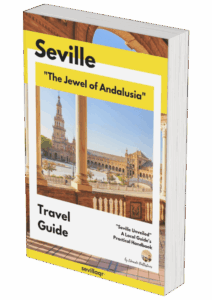
- Free Seville guide with your booking
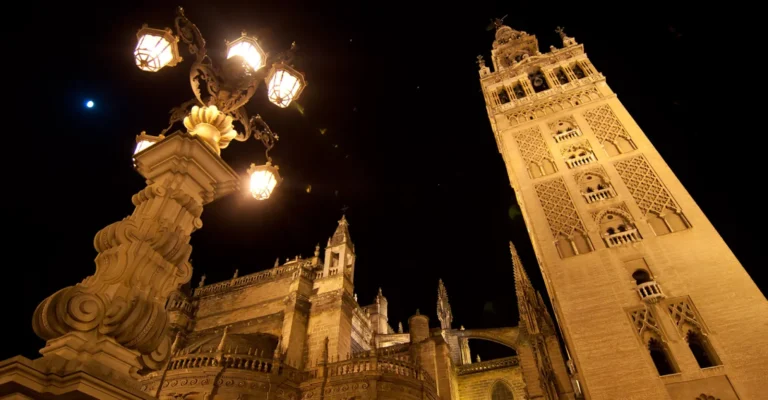
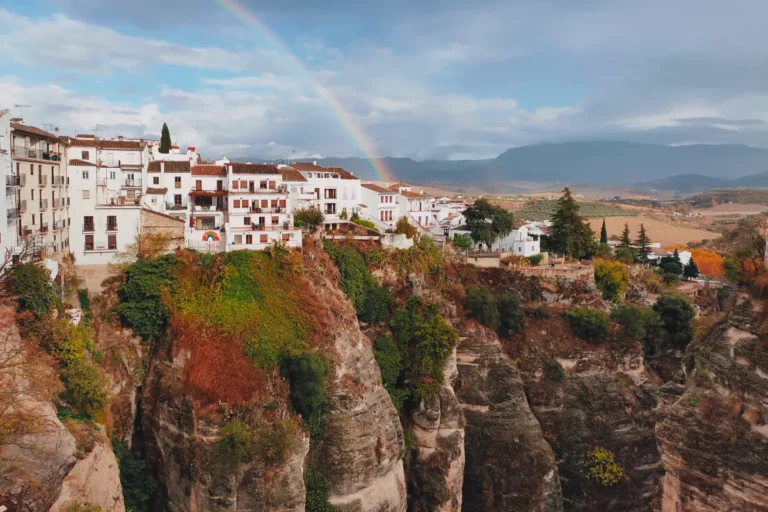
Three days in Seville fill up faster than people expect. The old town takes a morning to walk and a week to exhaust, the Alcázar and the Cathedral are better booked ahead, and Córdoba, Granada and the white villages are all close enough to do in a day and be back for dinner. Everything we sell is on this page. Narrow it down by how much time you have free, or by what you feel like doing.
Planning a trip to Seville
How many days do you need in Seville?
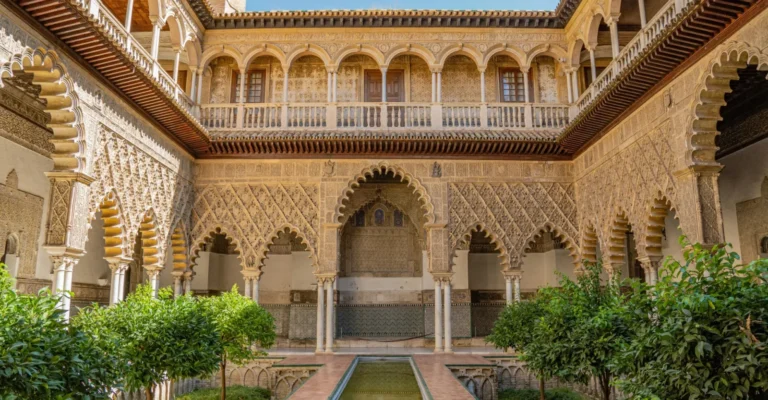
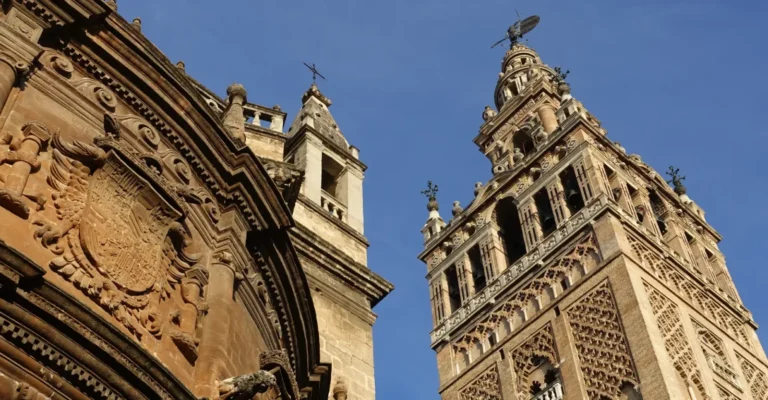
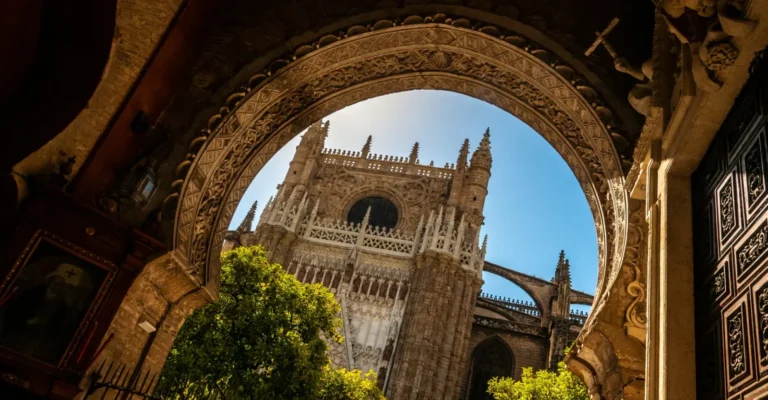
Three full days covers the old town without rushing: one for the Alcázar and the Cathedral, one for Triana and the river, one for the Macarena, the parks and whatever you have left. A fourth and a fifth are what most people spend on a trip out of the city.
What should I book before I arrive?
The Alcázar and the Cathedral. Both sell entry for a fixed time, both fill in spring and at weekends, and the queue at the box office on an April morning is the worst hour of a lot of people’s trip. Most other things here can be arranged a day or two ahead.
When is the best time to come?
March to May, and late September to November. Summer is genuinely hot — well over forty degrees in July and August — and the city empties between two and six. Winter is mild, quiet and cheap, and the light is the best of the year.
Is Seville walkable?
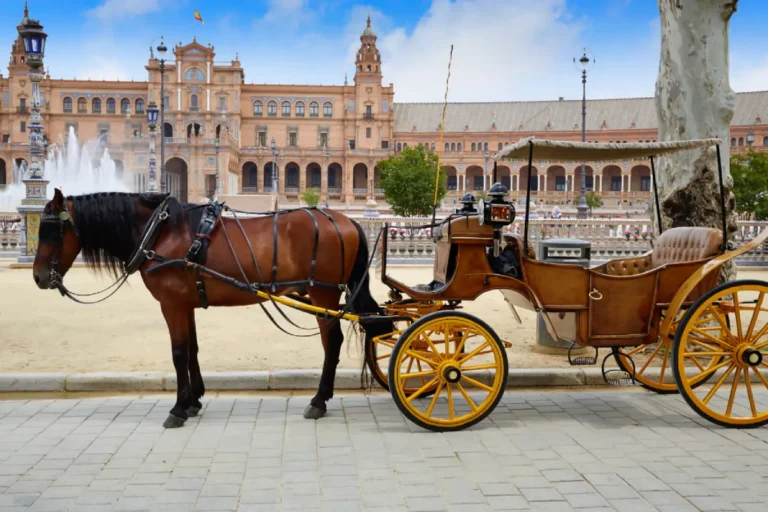
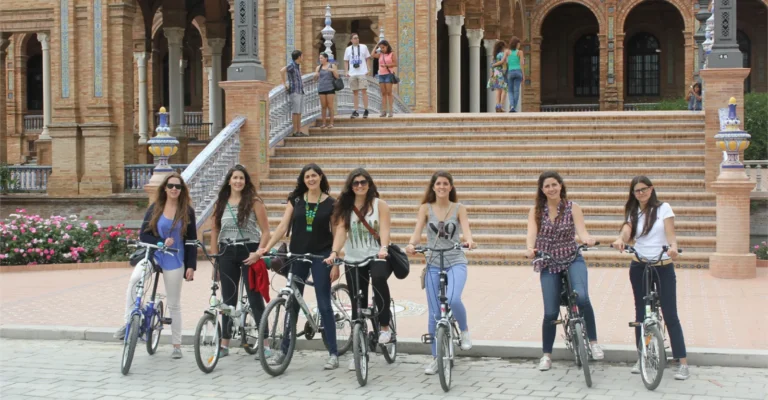
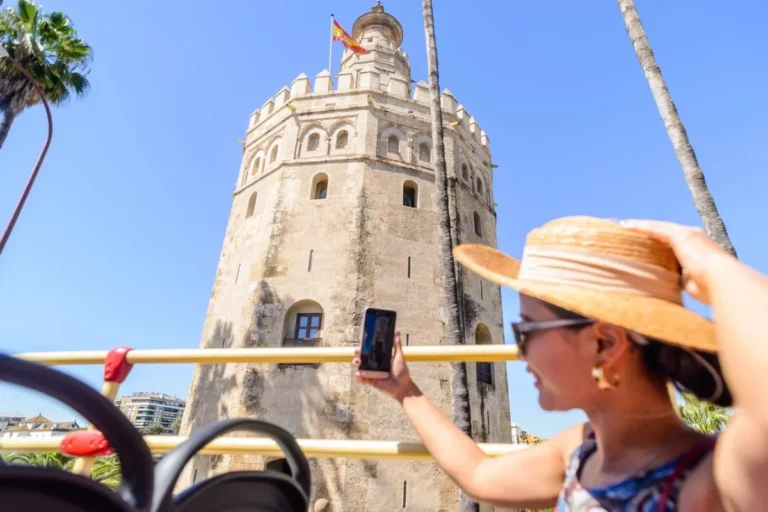
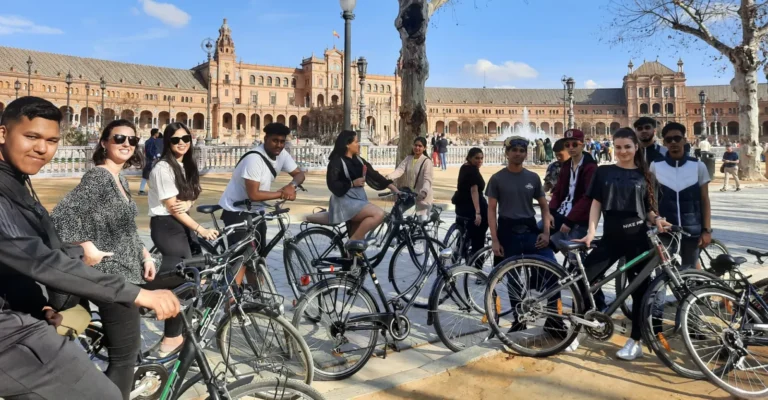
The old town is, entirely, and it is flat: there is no hill anywhere in it. The distances that catch people out are the Macarena down to the Plaza de España, and anything across the river to the Cartuja. Those are the two where a bike, a carriage or the open-top bus earns its keep.
Can you do Córdoba or Granada in a day?
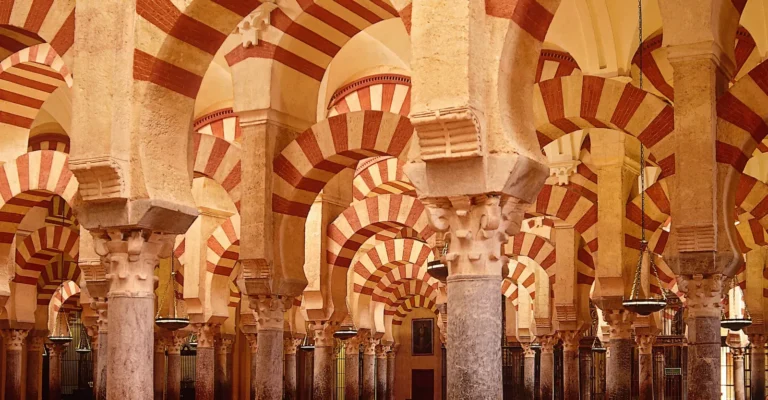
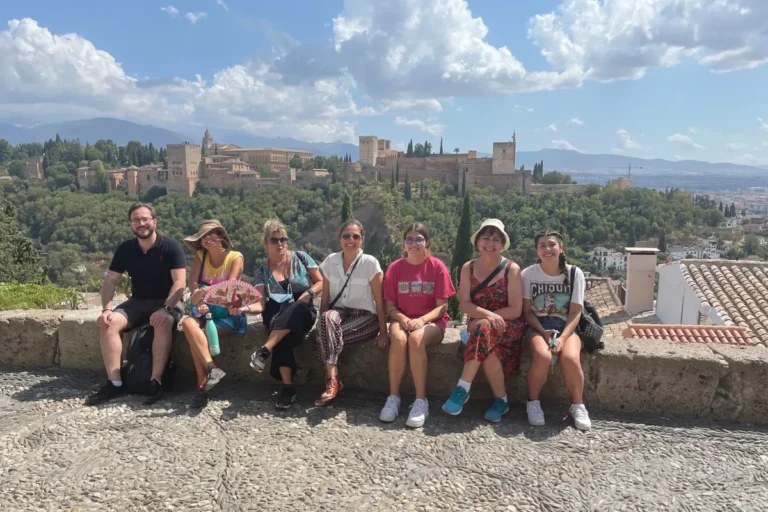
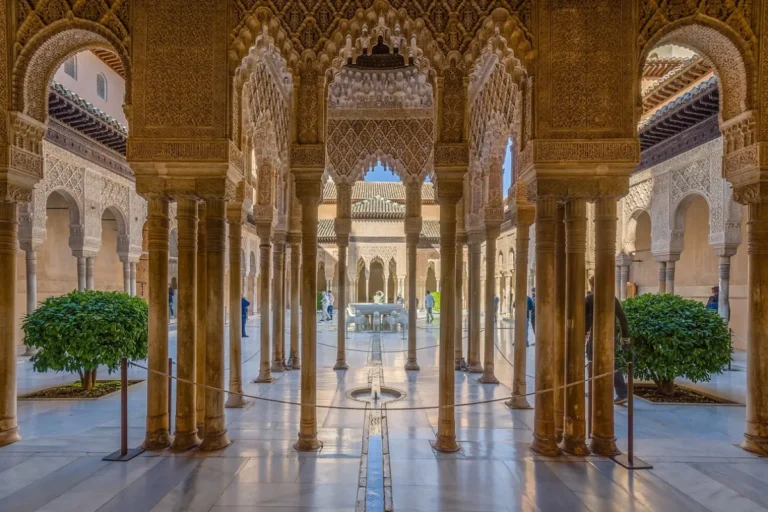
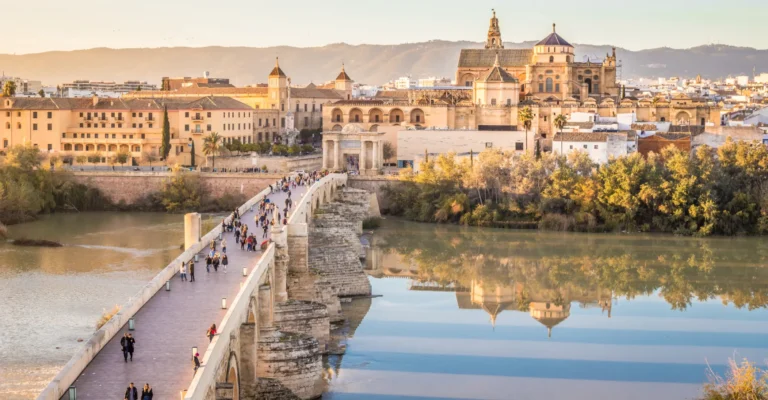
Córdoba comfortably, with time inside the Mosque-Cathedral and a walk through the Jewish quarter. Granada is a long day, around thirteen hours door to door with three or four of them inside the Alhambra, and it is the one people are gladdest they did.
What is there to do in the evening?
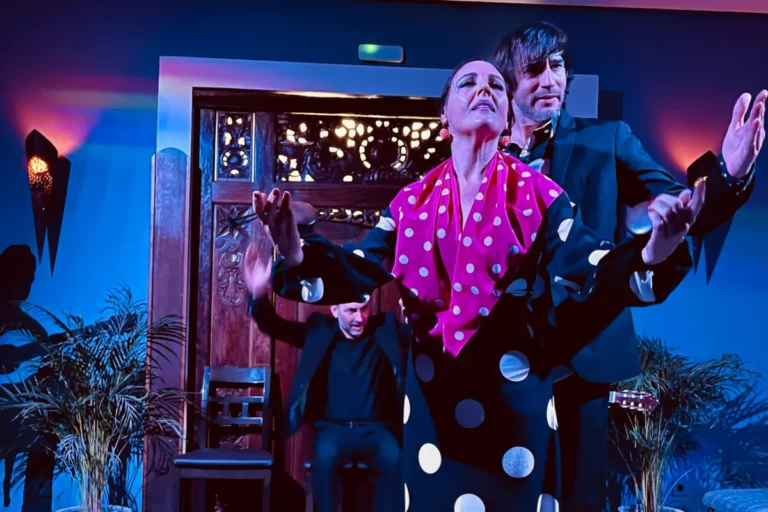
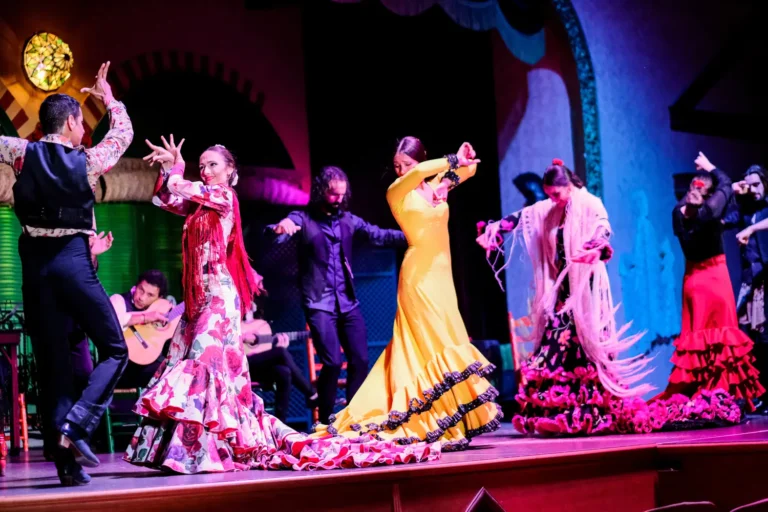
Flamenco, mostly, and eating. The tablaos run shows every night of the year, the tapas walks go out when the bars fill rather than when they open, and there are guided walks through the old town at dusk that work better in the dark than they would at noon.
Is there much for children?
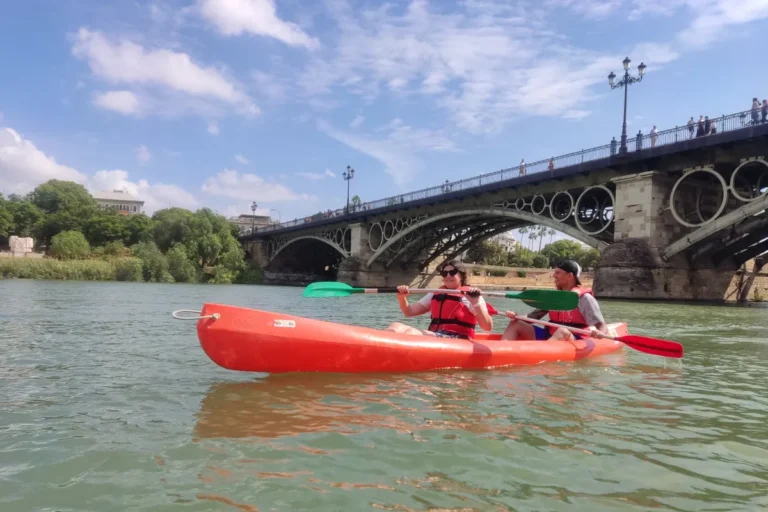
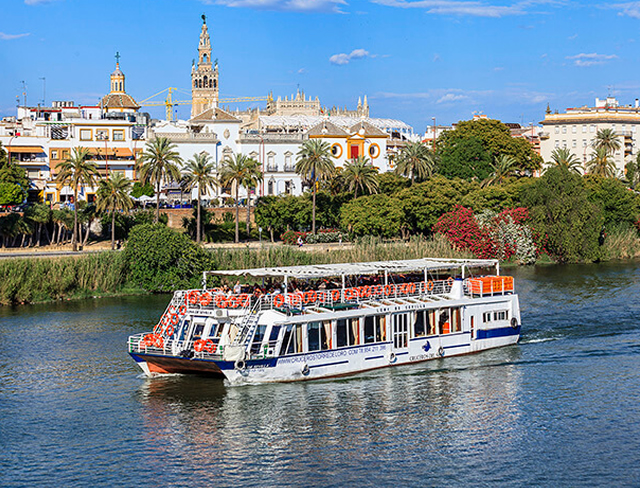
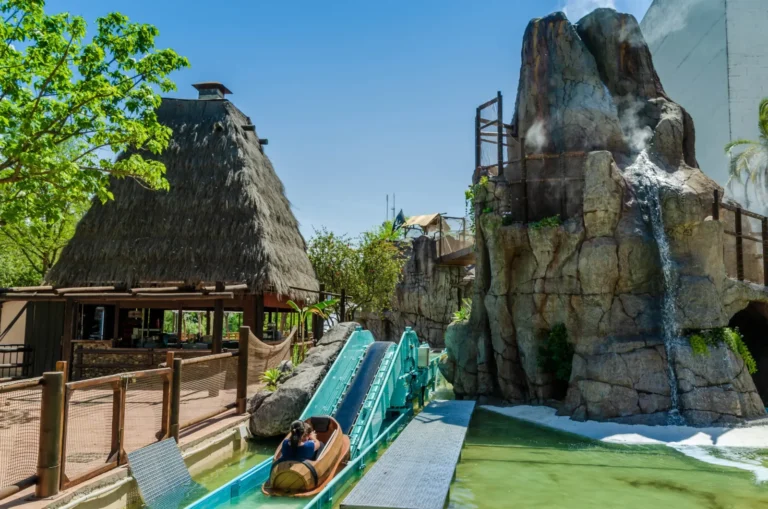
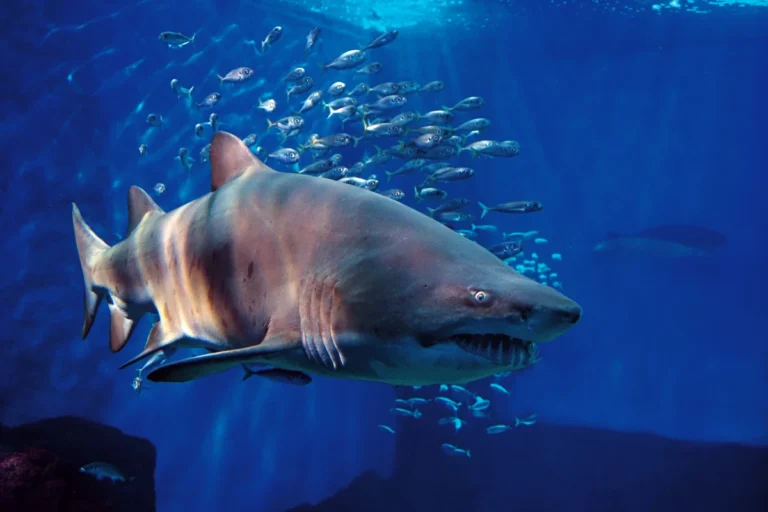
More than people expect. The aquarium and the theme park are the obvious ones, but the carriage ride, the river boat, the open-top bus and the bike tours all take small children easily, and the kayak takes them from seven. Use the family filter above to see them together.
Do I need a car?
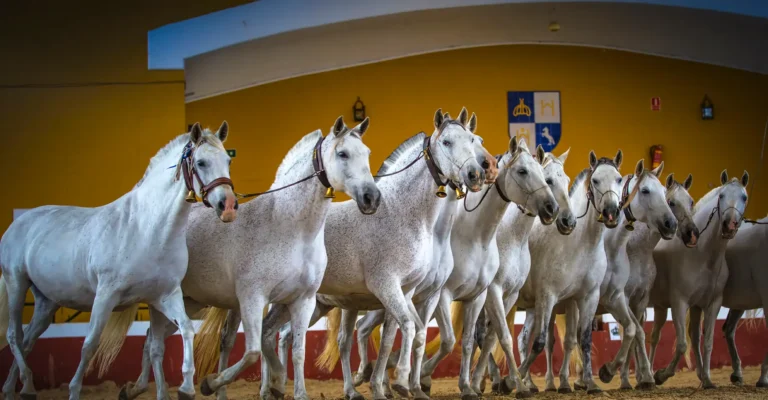
No. Everything on this page either happens inside Seville or picks you up in it, with one exception: the equestrian show is at a stud farm outside the city and getting there is your own arrangement. For everything else a car is a parking problem, not a help.