

Everything you need to know
Guided tour details
To see current prices for each rate (adults, students, children and infants), select your preferred date in the booking calendar. The price shown in the calendar is always the final price.
The tour does not run every day of the week. Select your date in the booking calendar to see whether there is a departure and at what time.
Bookings close ten hours before the start time.
The group meets in the old town, a short walk from the museum.
C. Alfonso XII 35, Casco Antiguo, 41001 Seville · View on Google Maps
Please arrive a few minutes early, so that the whole group can go in together.
The entrance ticket and a professional guide inside the museum, for about an hour and a half.
An easy visit: an hour and a half indoors, on the level, and a good option for a hot afternoon or a wet morning.
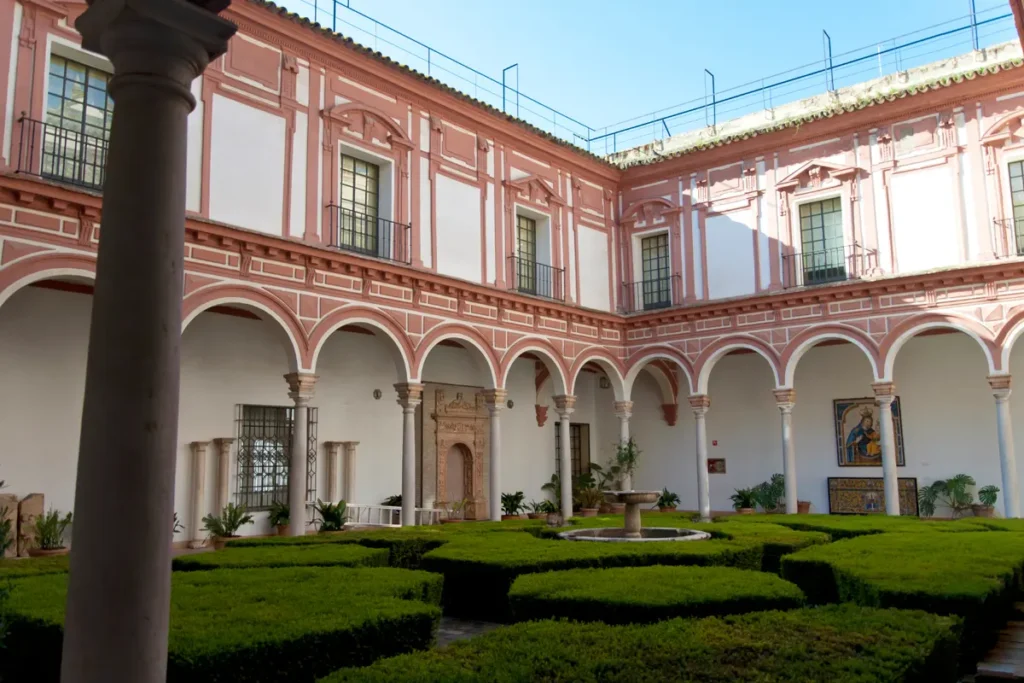
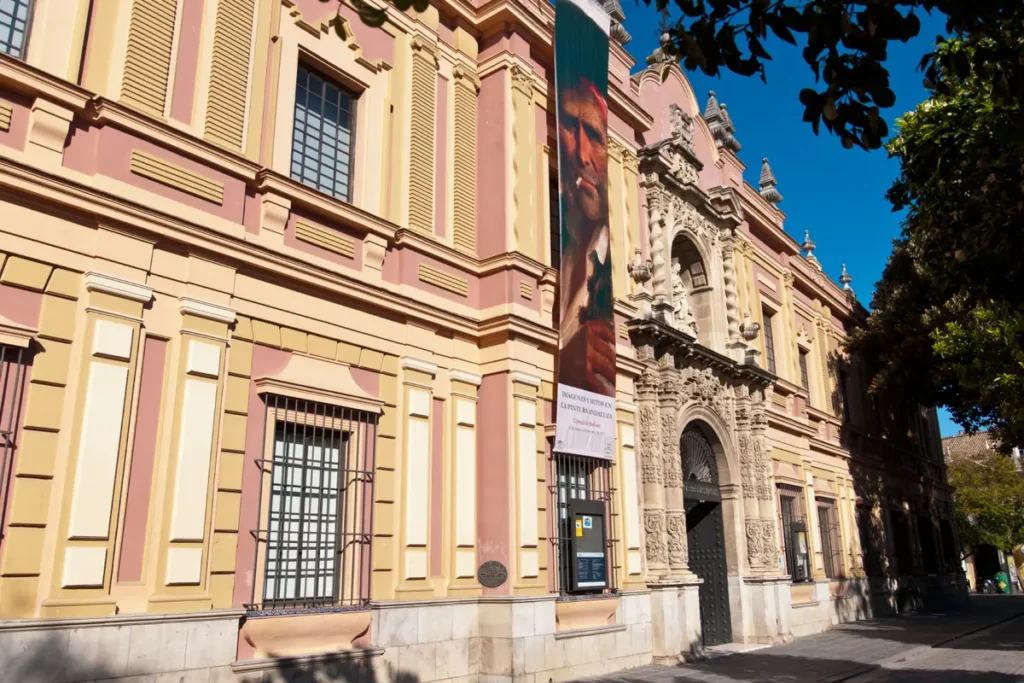
The building is a former convent and the galleries are arranged around its courtyards, so there is as much to look at in the architecture as on the walls.
Cancellation is free up to 24 hours before the activity.
The best-rated guide to Seville
First-hand local advice, more than 90 pages in PDF: what to see, where to eat, museums and palaces, day trips, opening hours and prices, and tourist maps of the city. Book any activity with us and it’s yours. Get the guide
 Eduardo BallesterosSeville local and author of the guide
The guided tour
The second public art collection in Spain, in a convent nobody expects
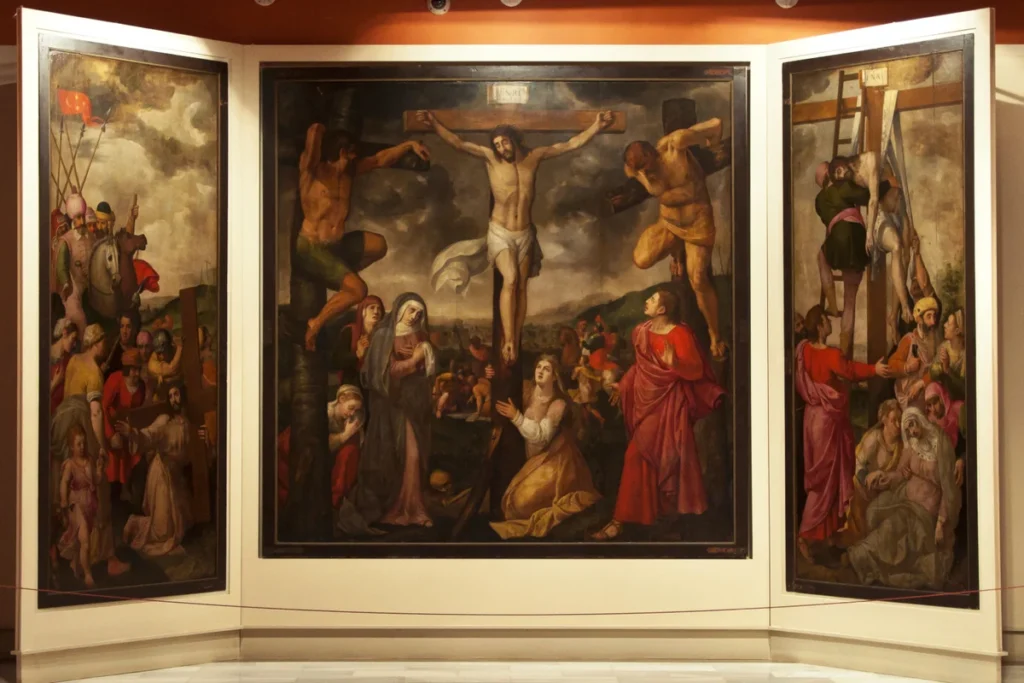
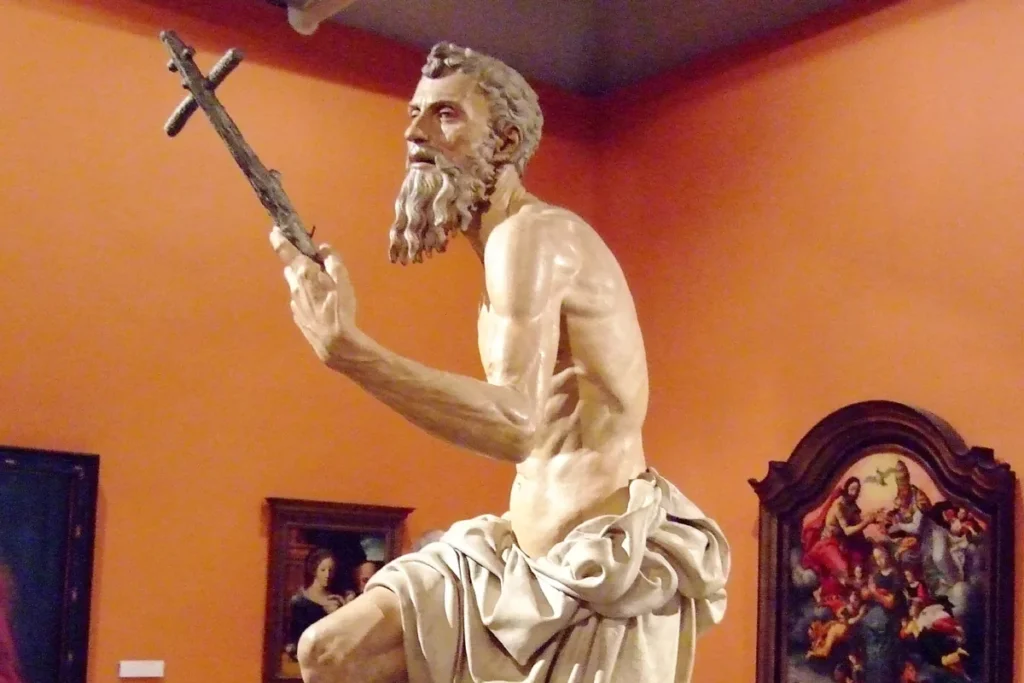
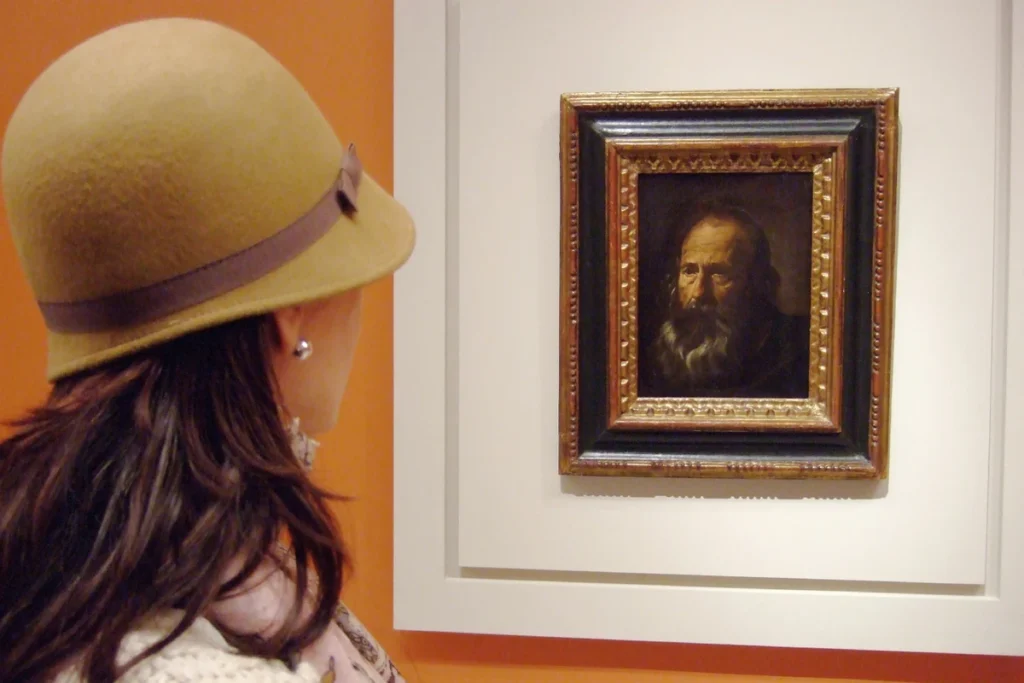
After the Prado in Madrid, the Museum of Fine Arts of Seville is the most important public art gallery in the country, and it is housed in the old convent of La Merced, which had its heyday in the 17th century. The collection runs from Romanesque work to the 20th century, and the ninety minutes of this tour are spent on the pieces that repay standing in front of.
Murillo, first of all
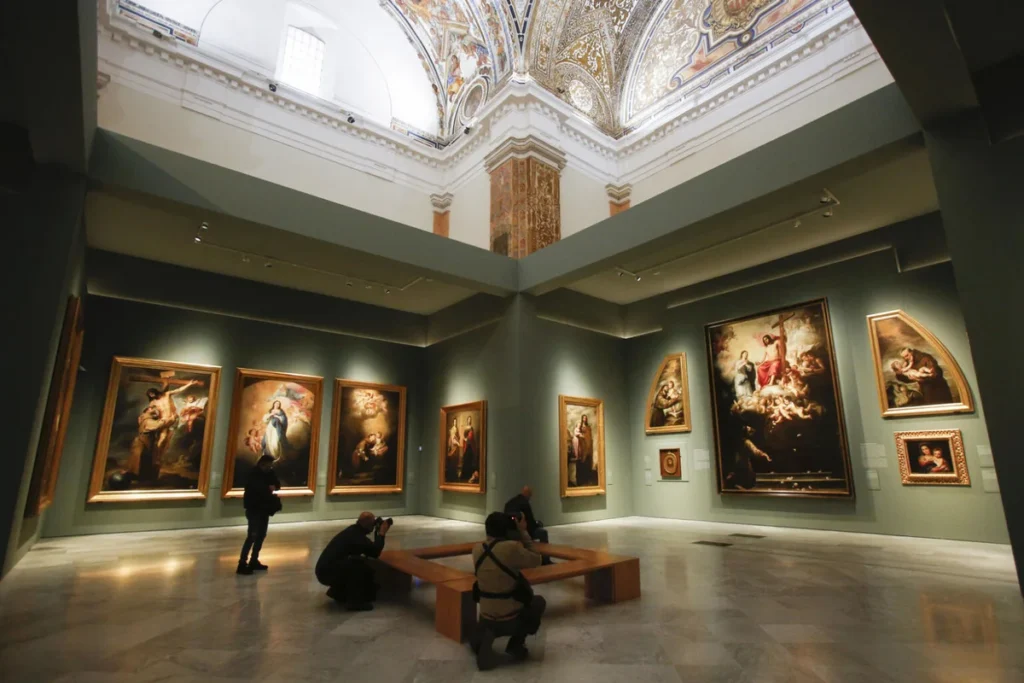
The guided route puts the Sevillian painter Bartolomé Esteban Murillo at its centre, which is where the museum puts him too. His best-known canvases hang here, and having someone explain what is going on in them — who commissioned them, what they were for, why the faces look like the people in the street outside — changes what you see.
And the rest of the Sevillian Baroque
Around him, the painters who made the city one of the capitals of European art in the 17th century: Zurbarán, with his monks and his still lifes, and Valdés Leal, who is the least comfortable and the most memorable of the three. There are Spanish and European artists from well outside Seville too, brought together in the same rooms.
A building that was not designed for this
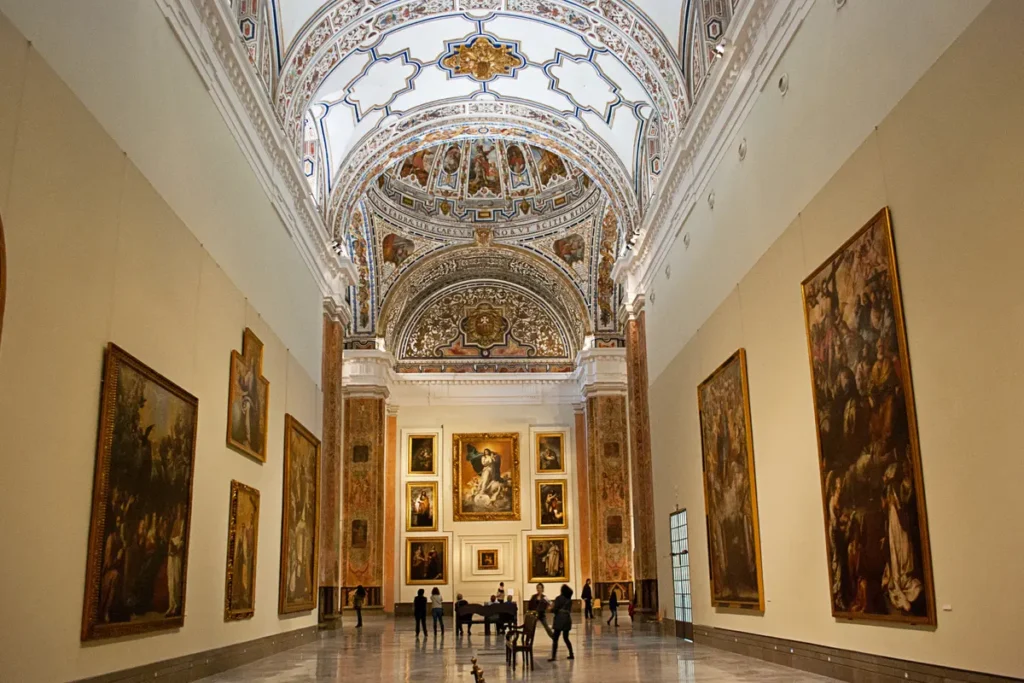
The religious reminiscence of the convent is still everywhere — the courtyards, the staircase, and above all the old church, now a gallery, where the paintings hang under a vaulted and frescoed ceiling. Gustavo Adolfo Bécquer wrote about the place, and it has changed less than the city around it.
Your questions answered
Frequently asked questions
About an hour and a half, all of it inside the museum.
At C. Alfonso XII 35, in the old town, a short walk from the museum itself.
Yes. Your booking covers the entrance and the guide; there is nothing to buy at the door.
English or Spanish. You choose on the booking form, and in some cases the guide works in both.
No. There are a few departures a week, so check the booking calendar for the date you have in mind.
It is an hour and a half of looking at paintings, which suits some children and not others. There is a reduced rate for children, and the courtyards give everybody a break halfway.
Yes. Cancellation is free up to 24 hours before the activity.
Planning your visit to the Museum of Fine Arts
Practical questions about the museum itself, useful background before you travel.
If you have any interest at all in painting, it is the best-value hour and a half in Seville. It is rarely crowded, it is indoors, and the quality of what hangs there is out of proportion to how well known it is outside Spain.
Its Murillos, and the room that used to be the convent church, where large canvases hang the full height of a vaulted and painted nave. Most people photograph that room before they photograph anything else.
The other two of the three great painters of 17th-century Seville. Zurbarán painted monks and still lifes with an almost physical stillness; Valdés Leal painted death without softening it. Between the three of them they define what Sevillian Baroque means.
Ninety minutes with a guide covers the highlights properly. Anyone who wants to go back round on their own afterwards can, and the museum is quiet enough to make that pleasant.
On the Plaza del Museo, in the north-west of the old town, about ten minutes on foot from the cathedral area and away from the busiest streets.